|
Melton Constable History |
Railway Yard |
|
|
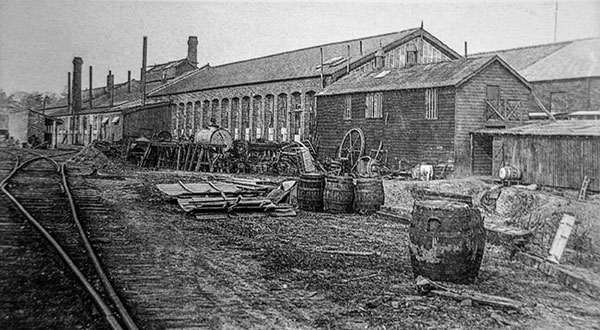
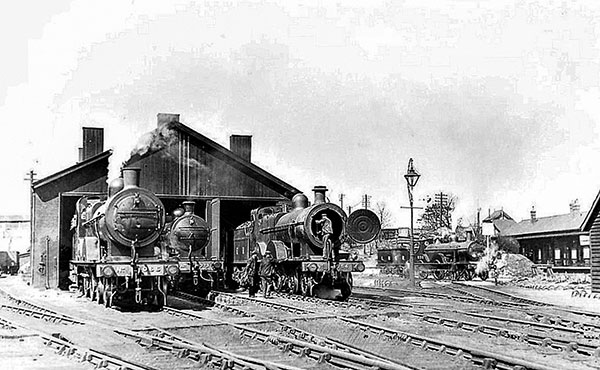
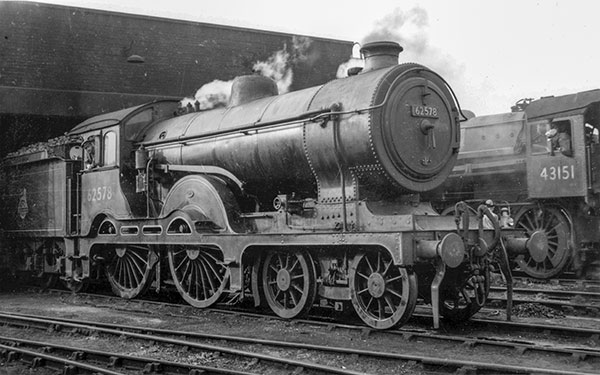
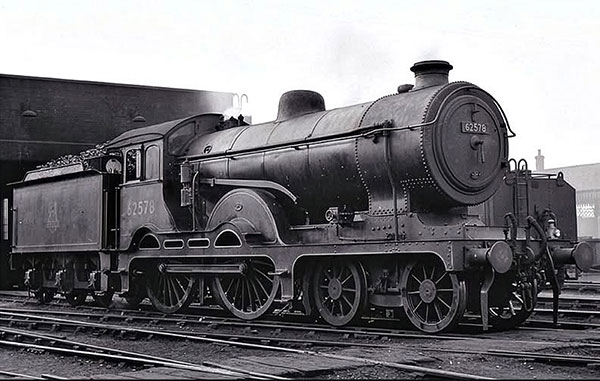
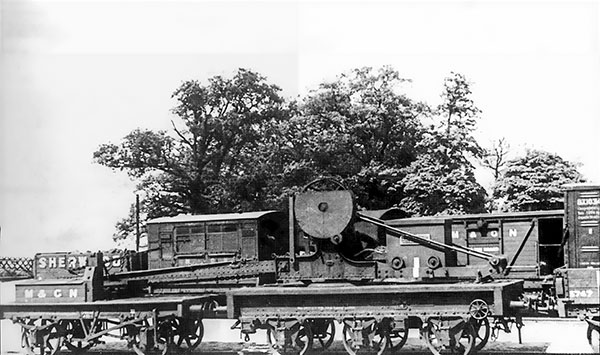
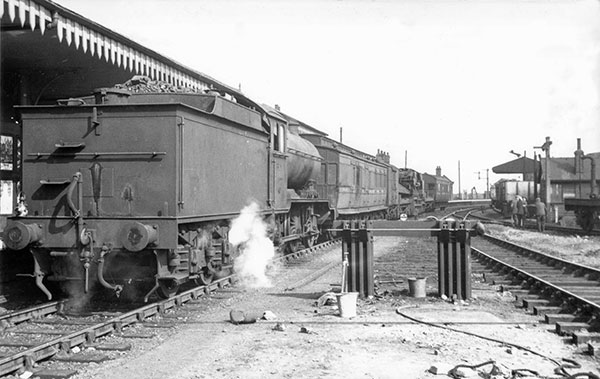
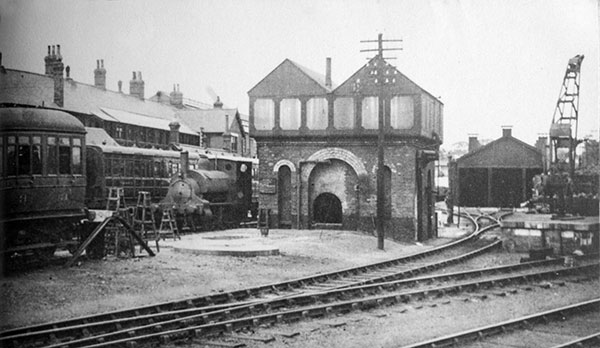
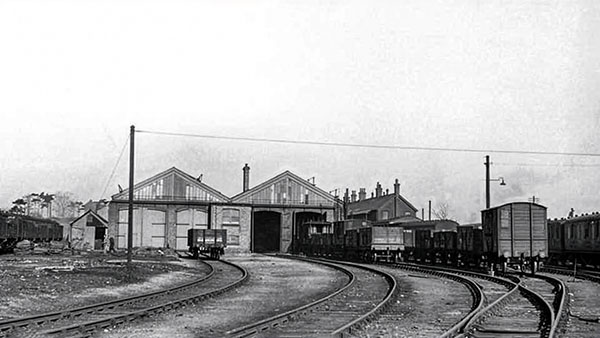
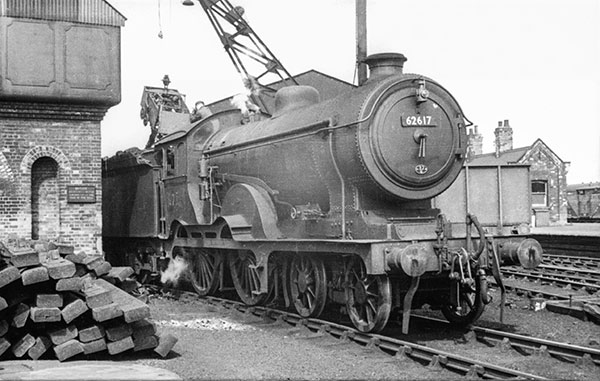
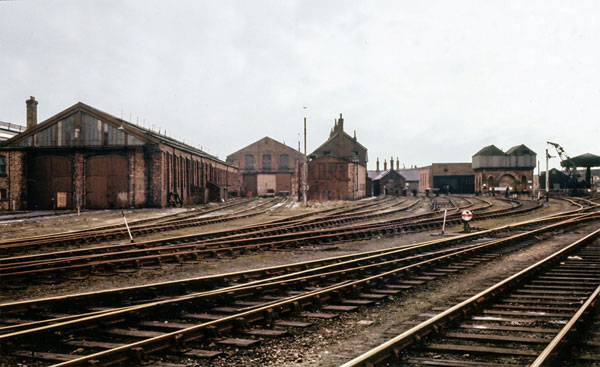
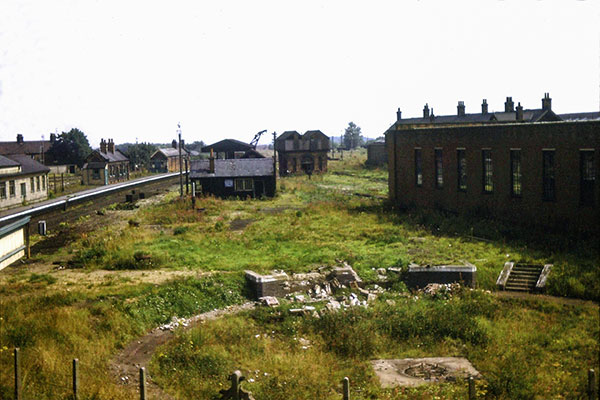
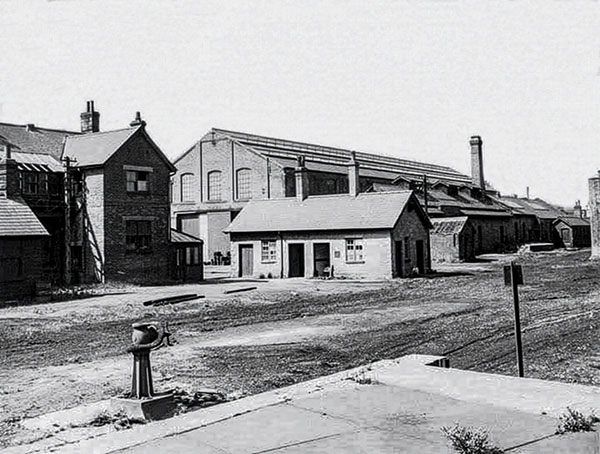
On the south side of the station there was the small Up marshalling yard, its two roads following the Norwich line. Here was also the locomotive yard, with a three-road engine shed for nine locomotives, a water tank on a brick base housing the pumping engine, a coal stage with hand crane and a 47 foot hand-operated turntable. There were several water columns for the use of engines, on the platforms and around the loco area. Nigel Digby |
|
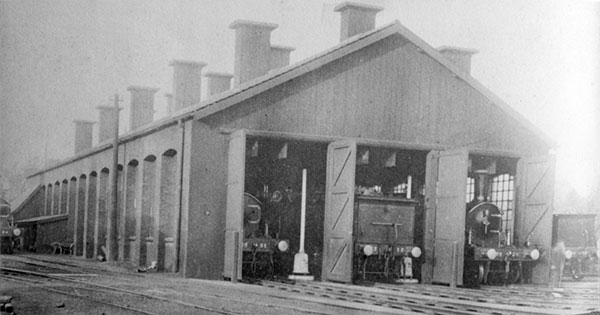 Locos l-r - No. 34, No. 31, No. 12, No. 26 and No. 32 - c.1934 |
The three road shed accommodates nine locos (tender), each road having a pit along its whole length. There is a fitter's shop, boiler-maker's room, tool stores and shear legs capable of lifting thirty tons. There is a recently laid out machine shop equipped with lathes, drilling, boring and shaping machines, also a blacksmith's forge, all electrically driven. Yard equipment comprises two stand pipes and one wall type water crane, three engine disposal pits, a hand operated coaling crane and a 47 ft. turn table. All loco water is supplied from a deep bore well by an electric pump and this tank also provides domestic supplies for the village which has about 2,000 inhabitants. Twenty two or twenty five locomotives are allocated to Melton Constable for winter working but two locos are always at the subsidiary sheds at Norwich City and Cromer Beach. Running repairs and maintenance of these out-station locos is carried out at Melton and for this purpose they are frequently interchanged. |
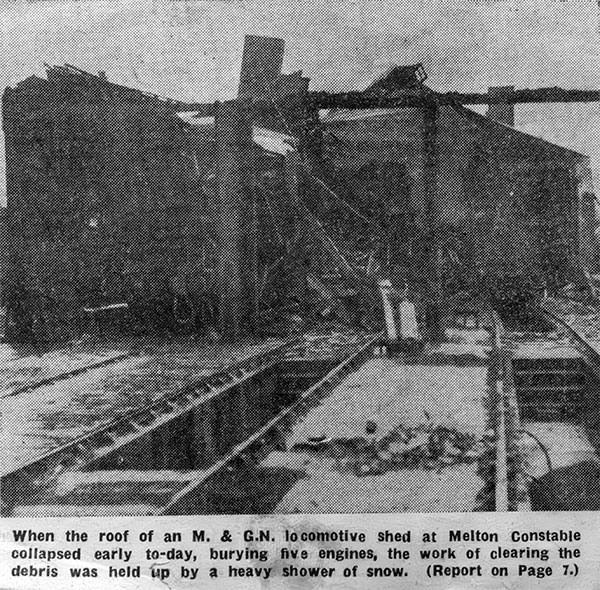 Eastern Evening News - Tuesday 3rd December 1946 |
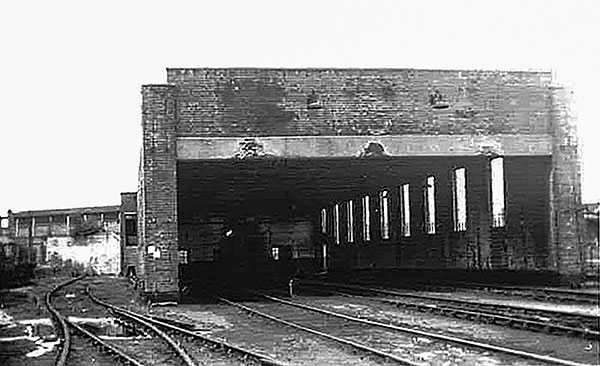
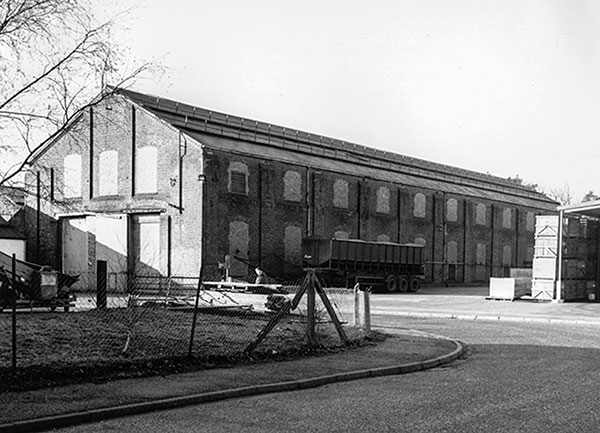
The roof of Melton Constable's original wooden engine shed, collapsed on Tuesday 3rd December 1946. British Rail replaced it with a new concrete and brick engine shed in 1951. |
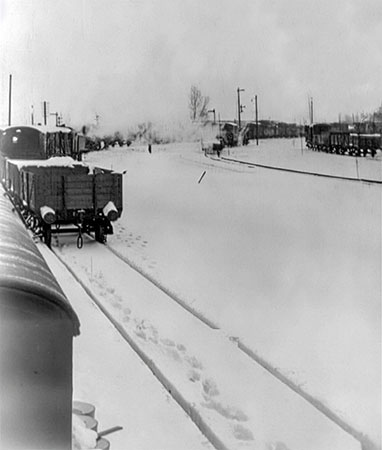 Snow in the winter of 1947 Snow in the winter of 1947 |
|
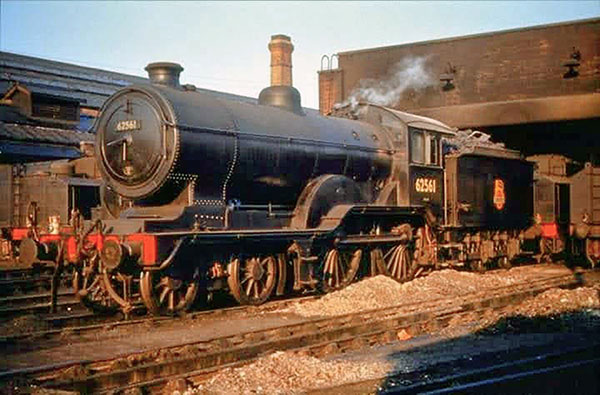
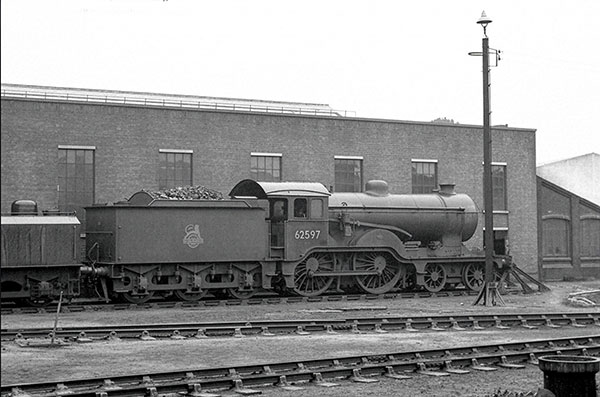
Despite the closure of the Works in October 1936, the railway business continued unabated and after the Second World War, summer Saturdays were just as busy as ever. There were some alterations in the post-war period. The roof of the loco shed collapsed in December 1946, so a new shed was built in a very austere style in brick and concrete. The old 46ft turntable was replaced with a 70ft turntable in order to cope with the larger engines being used. The coal stage, once open to the elements, received a roof. From 1950, Melton Constable came under the Norwich District, being numbered 32G. Nigel Digby |
|
||||
Above photos |
|
|
Above left photo |
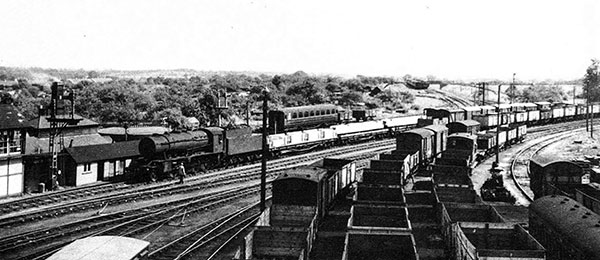
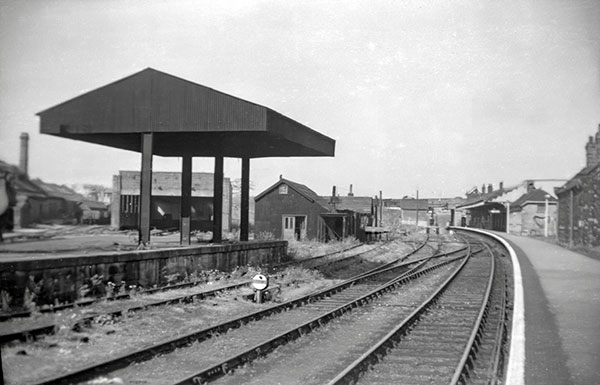
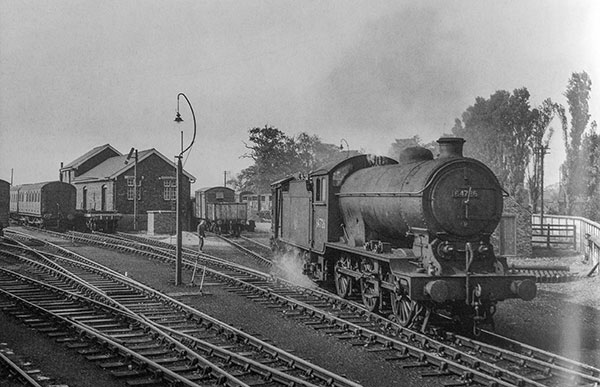
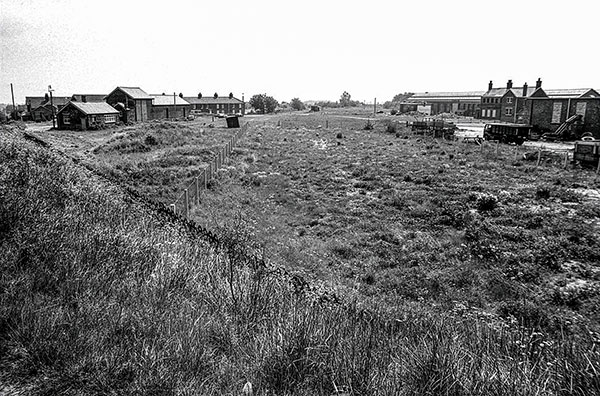
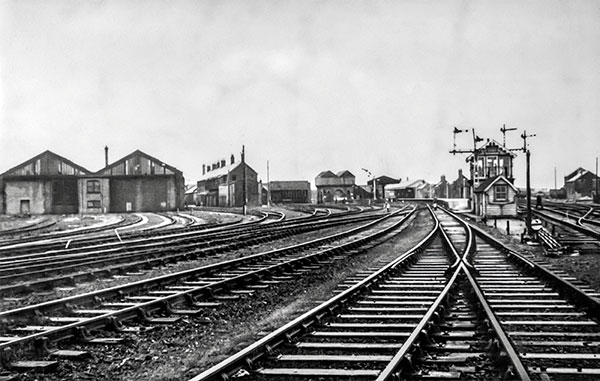 Very quiet railway yard - c.1955 |
|
|
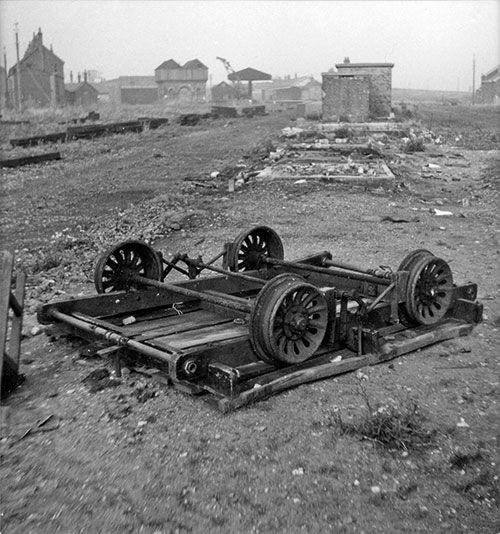
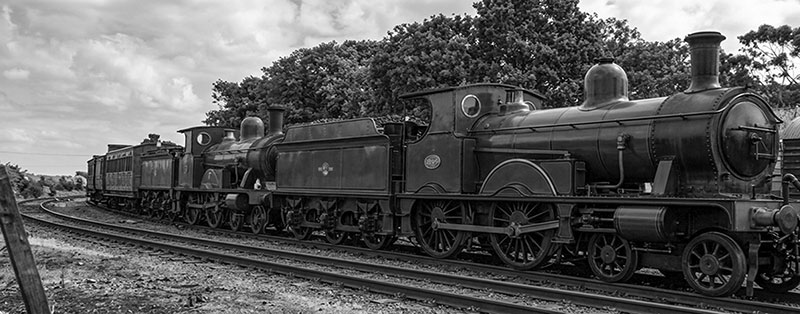 Melton Constable scrap siding - 1934 Restored newspaper photo |
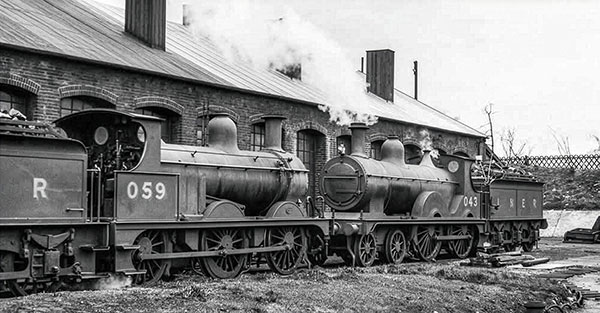
Above photo Rebuilt Beyer Peacock 4-4-0 nos. 22, 24 and 25 parked in the scrap siding. No. 22 never ran again but the frames of no. 24 were later fitted with no. 25's boiler and the new no. 25 ran until 1941. |
|
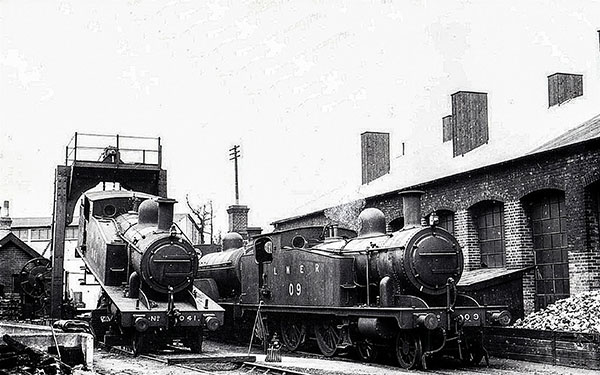
Above right photo LNER Class C17 4-4-2T No. 09 - Marriott M&GN Class A, built 1909 at Melton Constable Works as M&GN No. 9. In 1933 the tank tops were cut down to improve visibility. Withdrawn from Melton Constable in July 1944. Seen with sister No. 041 having wheelsets changed in March 1939. |
|
|
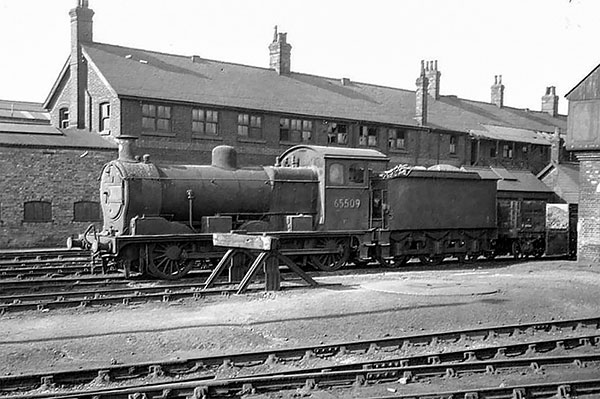 GER J17 0-6-0 standing outside the M&GN offices - 1957 |
|
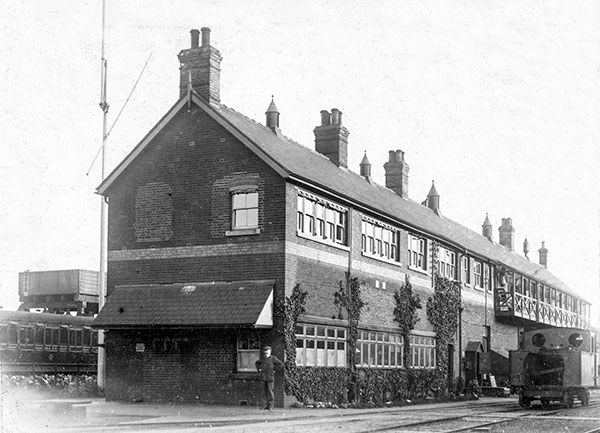
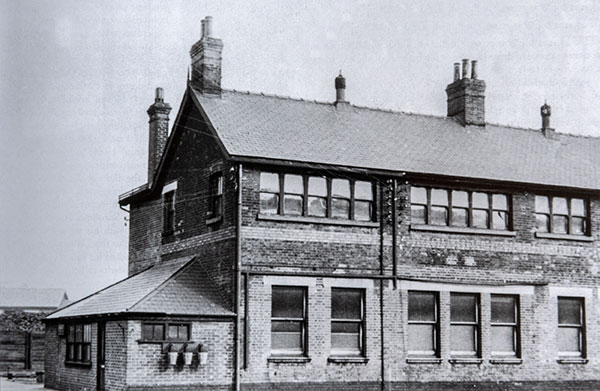
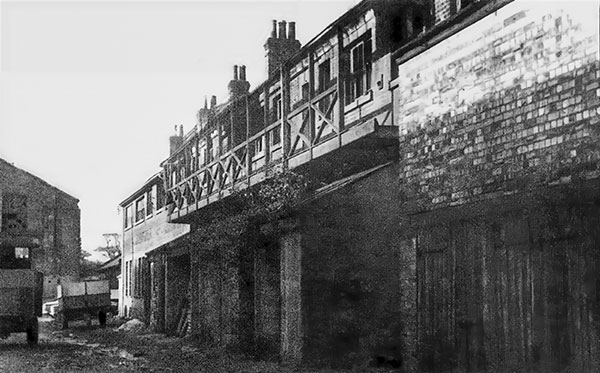
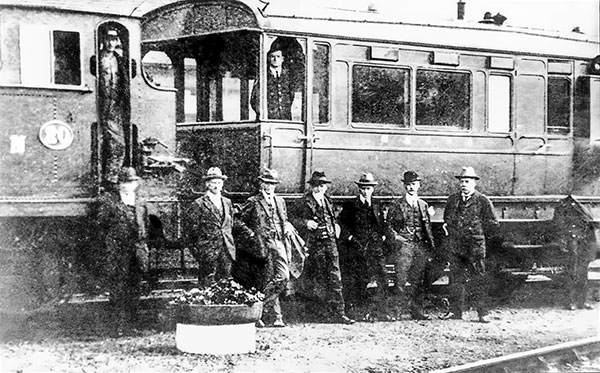
Left Photo M&GN offices in the railway yard after closure. The offices on the far left belonged to William Marriott and Head Clerk Edgar Palmer. Right Photo William Marriott used a converted carriage as a mobile office while overseeing various offsite projects on the network and was known by the staff as the Old Gentleman's Saloon. William Marriott and other senior members of the M&GN at Melton Constable would use the saloon to inspect all the lines under their care, twice every year. The names that are known are Jesse Brown, Mr. Langley, William Marriott, B. Newman and the guard standing in the carriage, A. Fuller. |
|
|
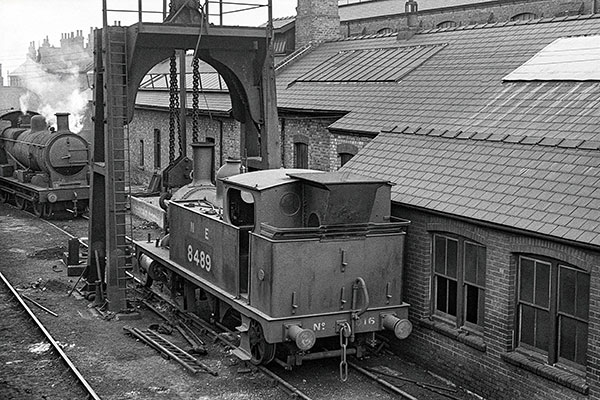
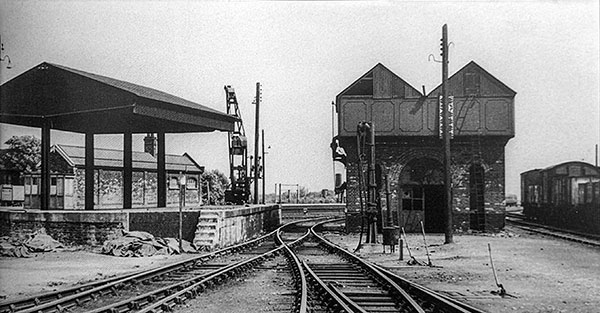
The roof covering was a recent addition to the coaling platform and the old wooden crane had been replaced by the metal version. The E&M lifting arm water column was in addition to the swing out hose from the water tanks. The small coal stove was there to help prevent freezing in cold weather. |
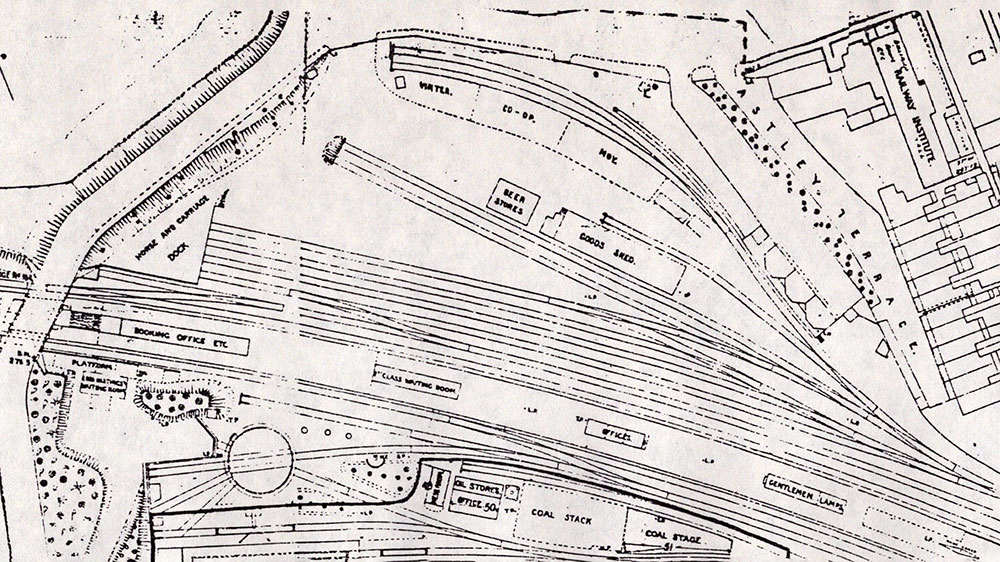 Map of northern railway yard area - 6th December 1913 |
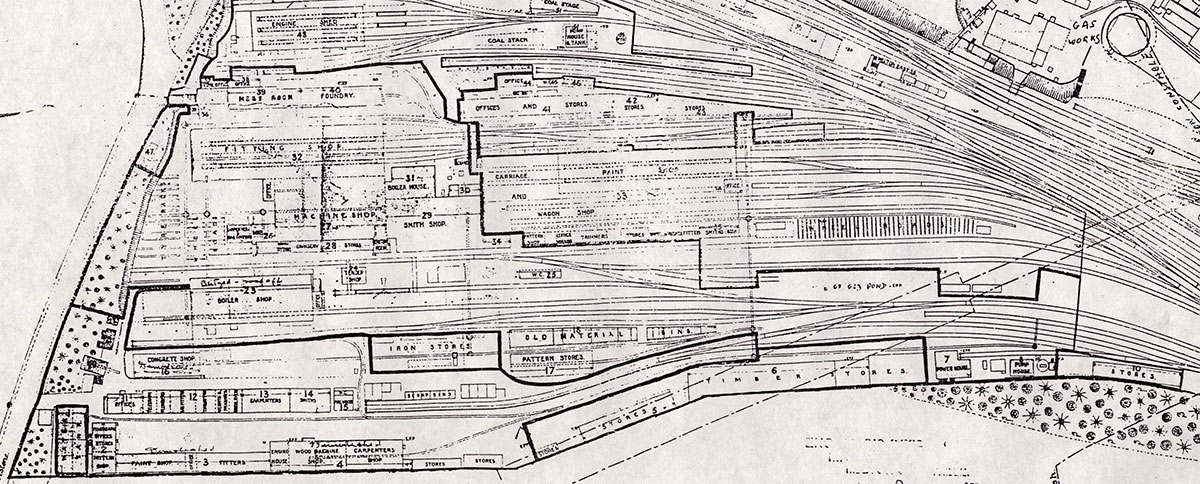 Map of southern railway yard area - 6th December 1913 |
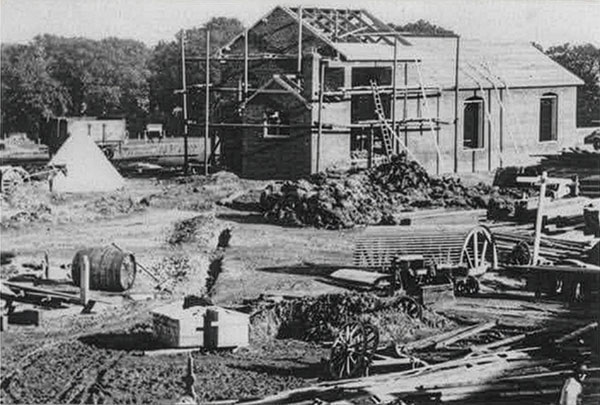 Goods shed construction - 1881 |
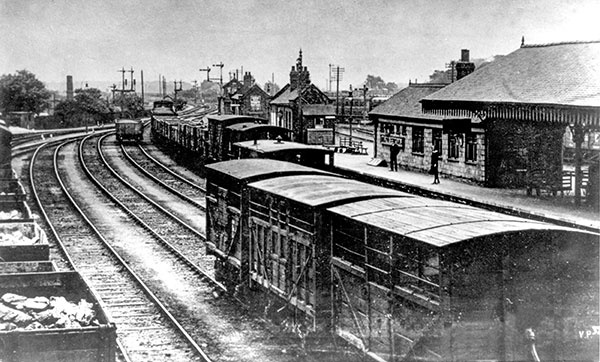
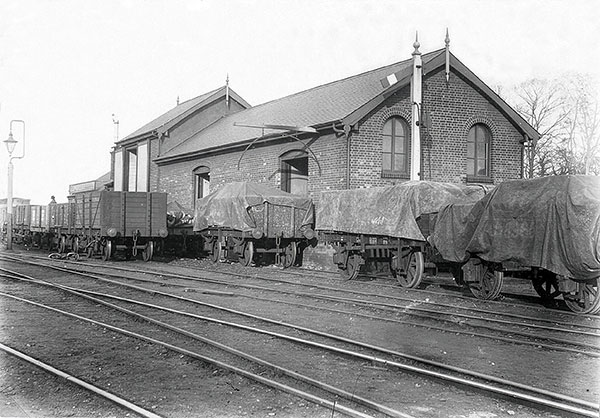
The goods yard was on the north side of the station, having a Down goods reception road and a small two-road marshalling yard, later expanded to three roads. For local traffic, three more sidings served a Wilkinson & Jarvis 'large' goods shed, three cattle pens and a coal yard. The long headshunt divided into two, running alongside the Yarmouth line, one road serving the permanent way department. Shunting by use of the tow rope was permitted if absolutely necessary for towing wagons into the Yarmouth road siding but permission was revoked in November 1904. Nigel Digby |
|
|
Above right photo |
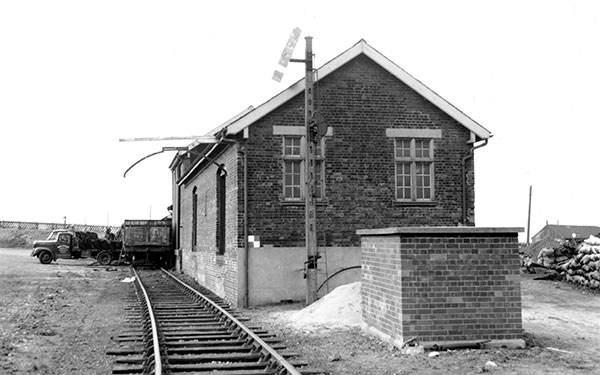
Somewhat unusually, the Goods Shed at Melton Constable was protected by
a Stop Signal, placed just outside the rail entrance: this was a safely
precaution, whilst unloading was going on inside. It is a CBT on a concrete
post, with a lamp mounted half-way down the post, at a Shunting Driver's
eye-level. The Shed itself is in the rear and the end windows appear to have
been replaced - these originally seem to have had rounded tops. |
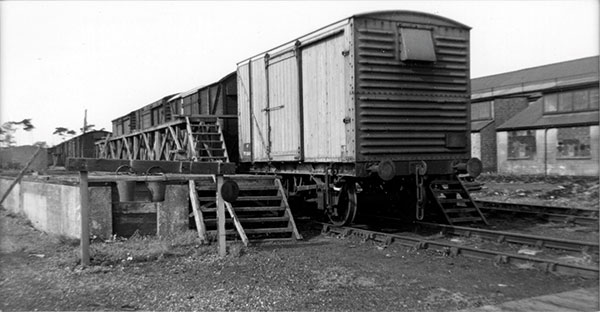
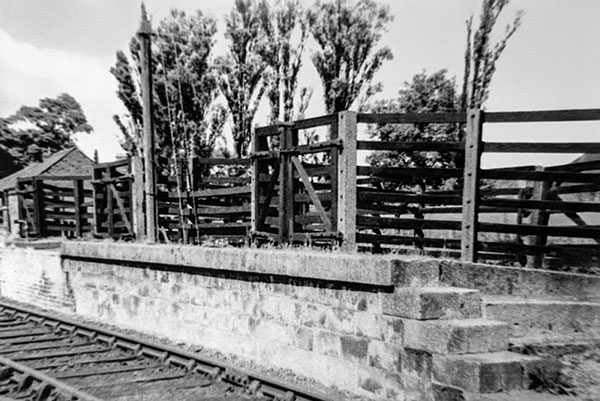 The cattle dock on the north side of the yard |
|
|
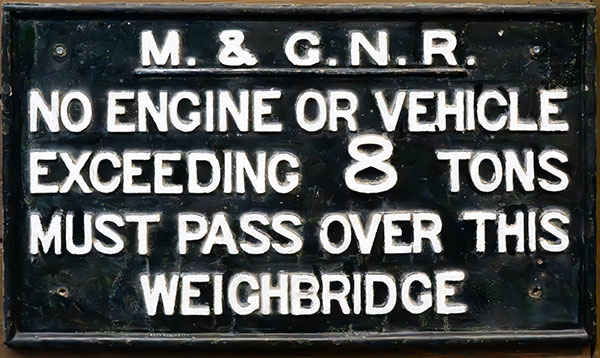 |
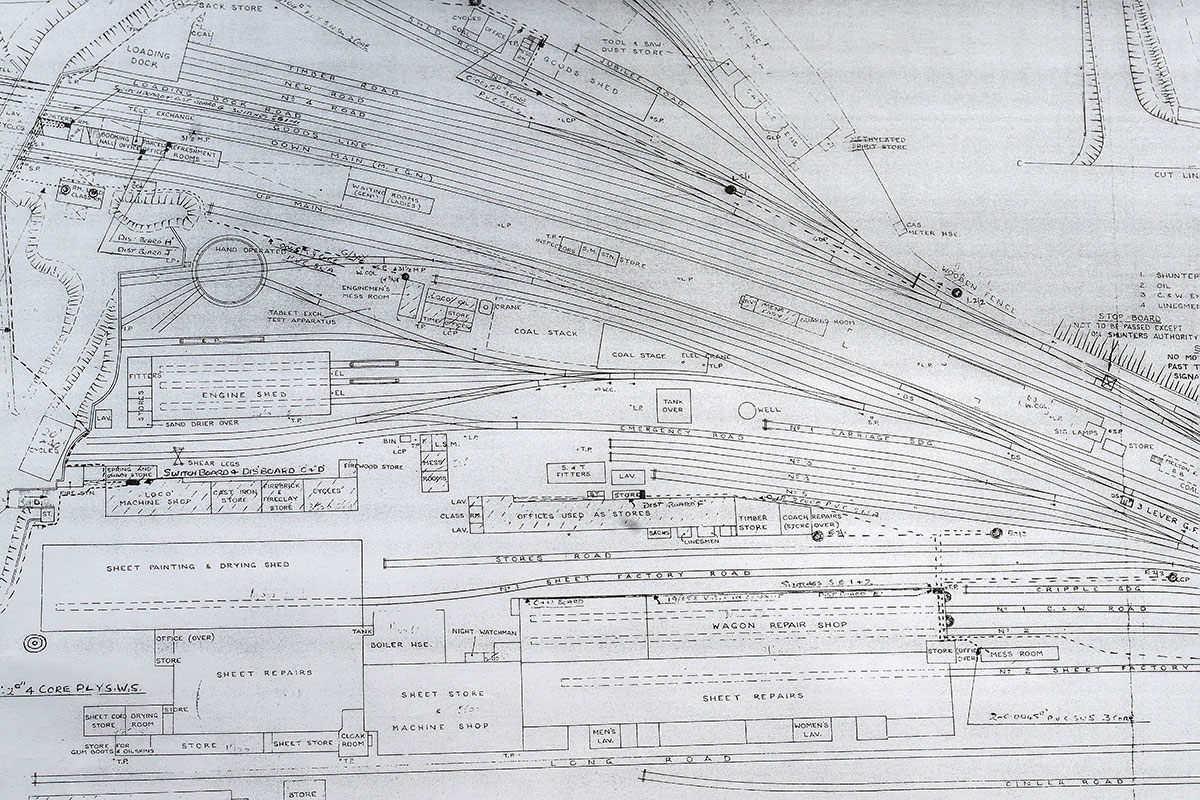 M&GN Closure map - 29th May 1959 |
|
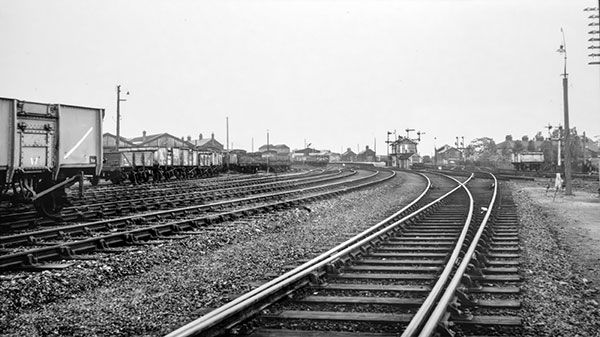
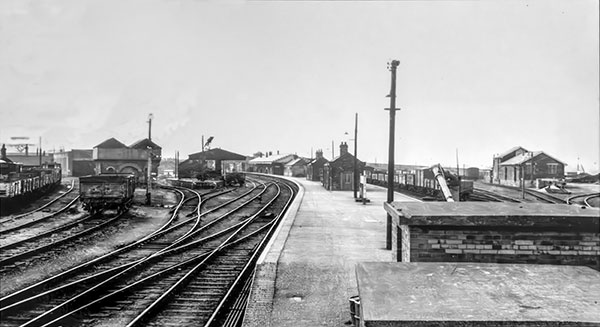
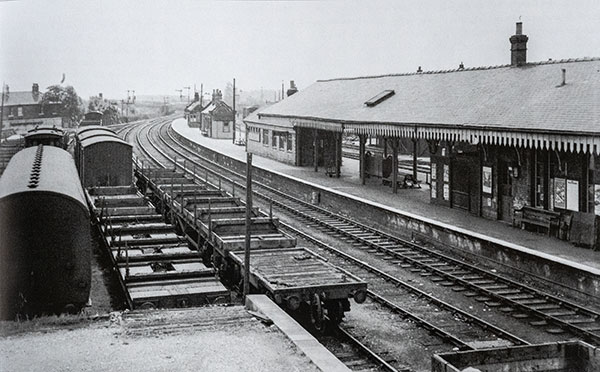
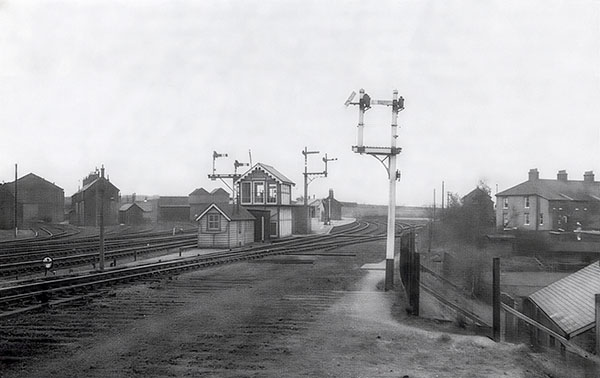
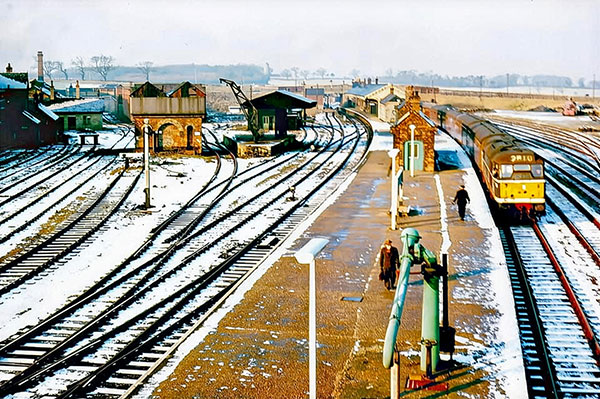
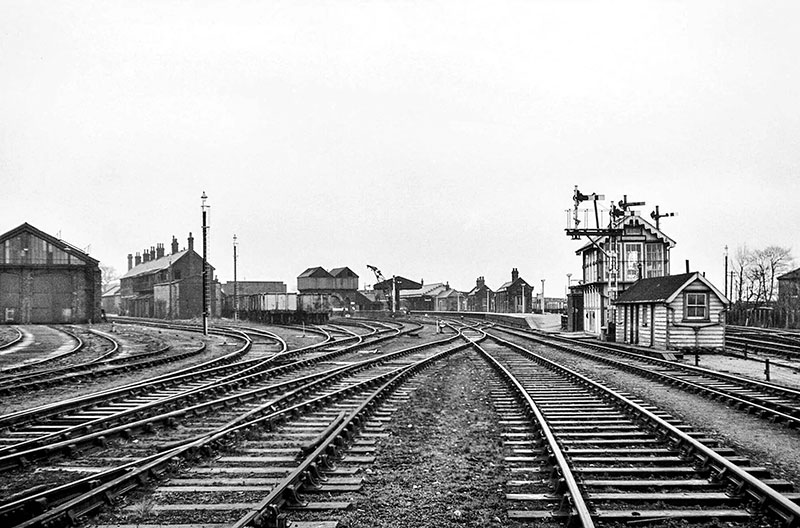
Above left photo A view from the Norwich line facing points towards the station. On the left are various wagons in the Works sidings - Midfits and 16 ton Coal Minerals - the Platform and East Box are in the centre. The Starting signals are on either side of the Signalbox and in the right background is the Goods Yard. There is also, on the far right, a large Swan-neck Gas lamp, mounted on a post. Above right photo The long island Platform, seen from Melton East Box. On the left is the Locoshed, with the twin-roofed Water Tower in front of it. The Coaling Platform and Crane are in the centre. Along the length of the platform are the Station Buildings and on the right is the large Goods Shed, Warehouse and Yard Sidings, hosting Vans and Wagons. In the centre of the platform is the lowered jib of a Water Column and beyond that is the M&GN station nameboard. M&GN Circle |
|
|
|
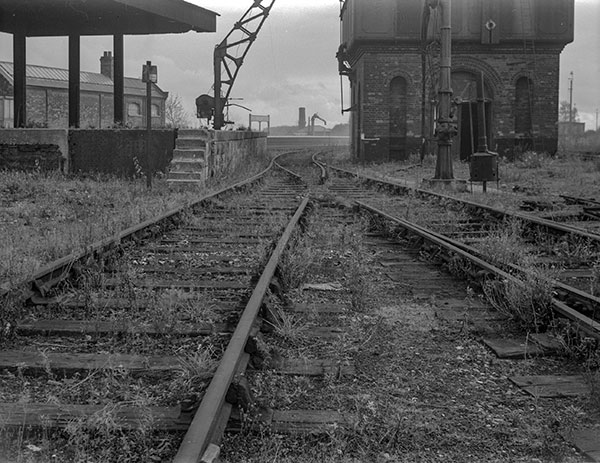
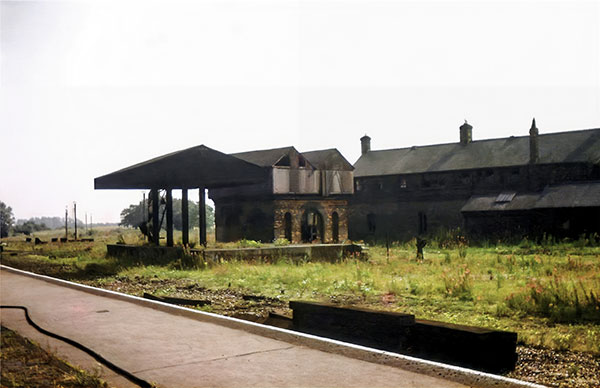
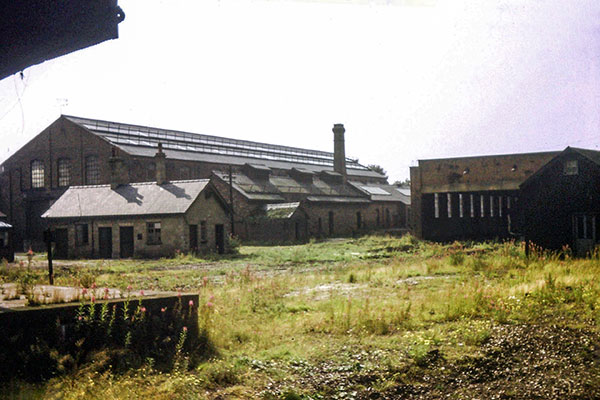
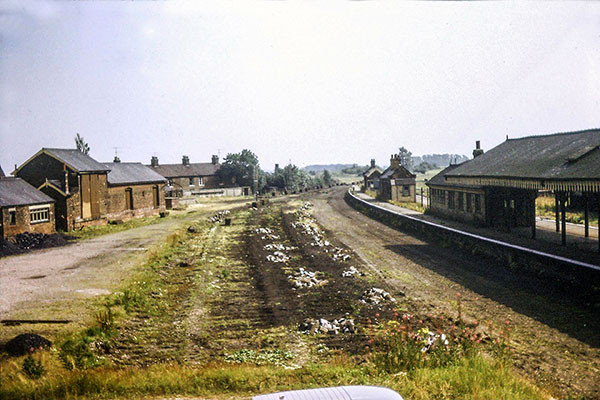
Above right photo Left to right - Paint Shop, Fitting Shop, Offices & Stores, Engine Shed, Water Tanks, Coaling Station. The rails to the right were still in use until the day this photo was taken, as can be seen but those in the station yard had already rusted over.. |
|
|
|
|
|
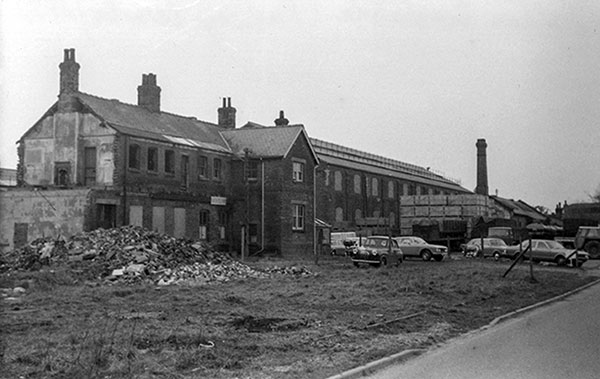
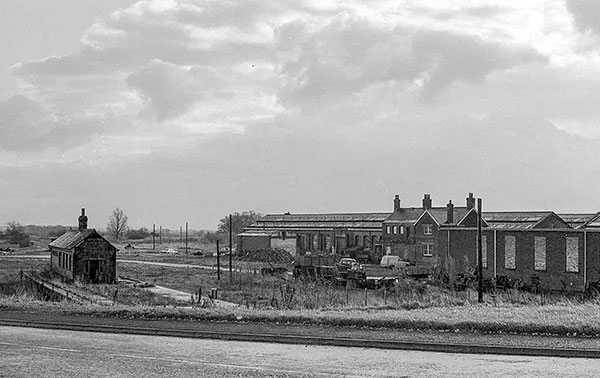 View from the new road - November 1972 |
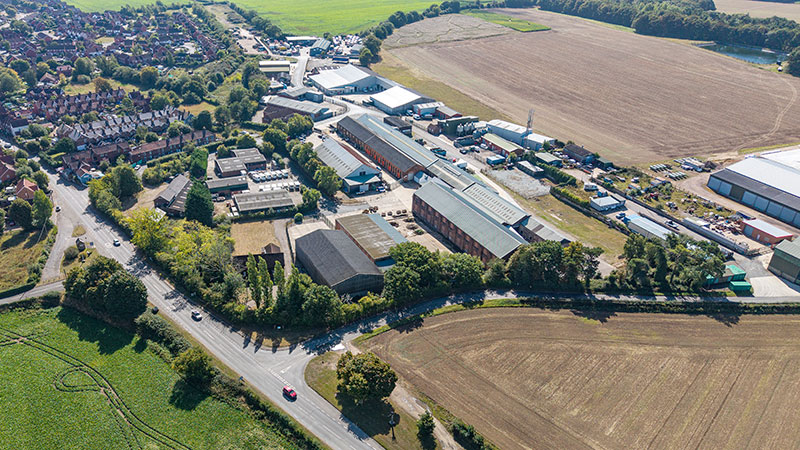 30th August 2025 |
If
you have any memories, anecdotes or photos please let us know and we may
be able to use them to update the site. By all means email or telephone 07836 675369. |
Copyright © Jonathan Neville 2025 |